Skip to main content

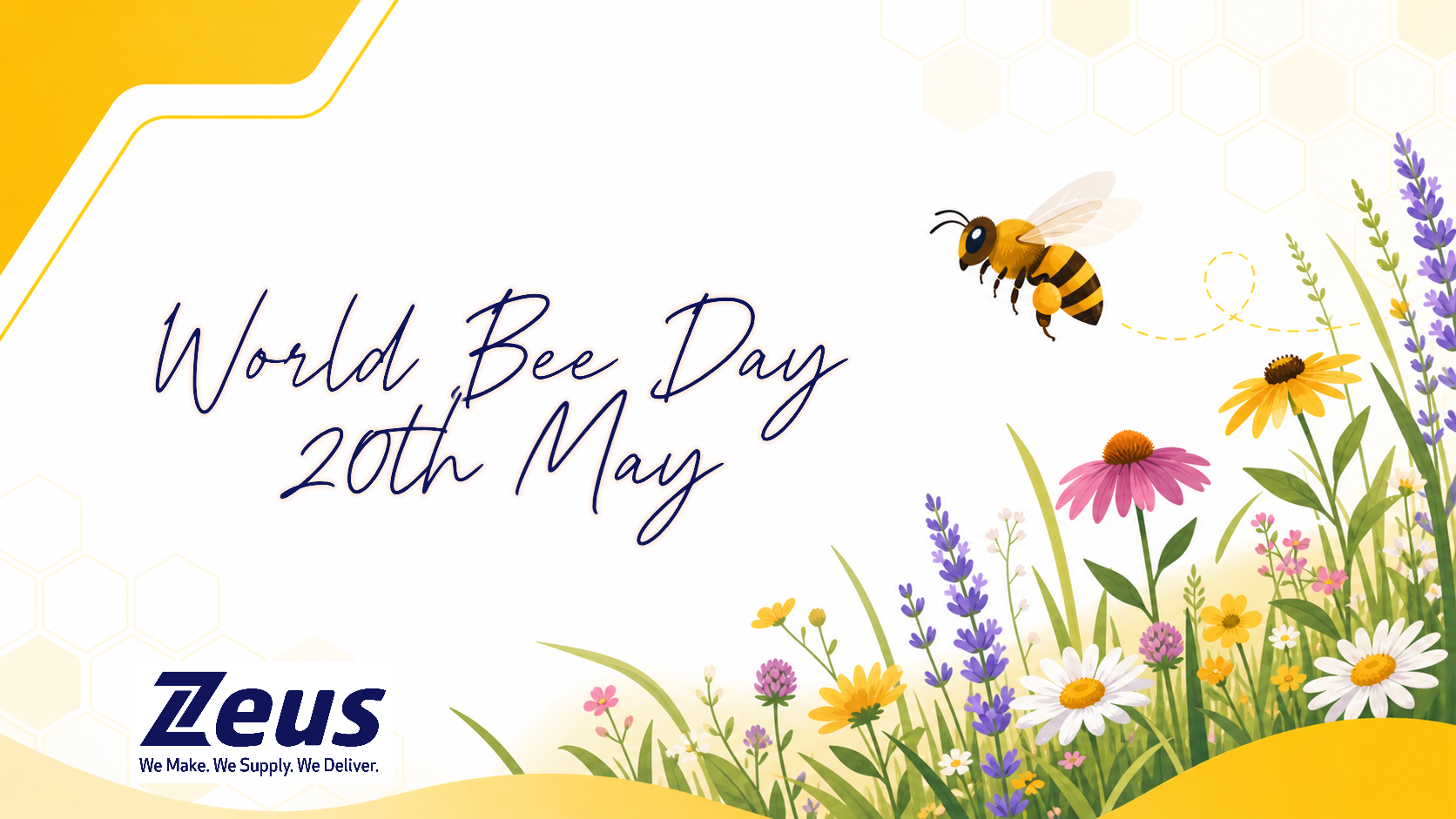
Today we’re joining people around the world in celebrating World Bee Day, marked each year on 20 May to recognise the vital role bees and other pollinators play in keeping people and the planet healthy. Bees help pollinate many of the fruits, vegetables, nuts, and seeds we rely on, and around one in every three bites of food we eat depends on pollinators.
World Bee Day was created by the United Nations to raise awareness of the importance of bees, the threats they face, and how we can protect them. It’s also a great reminder that small everyday actions can add up to real change for nature.
Why bees and pollinators matter
Bees and other pollinators support biodiversity by helping plants reproduce, which in turn provides food and habitat for people and wildlife. Globally, a significant share of agricultural production depends on pollination, and pollinators contribute hundreds of billions of euros worth of value to food systems every year.
At the same time, pollinators are under pressure from habitat loss, intensive farming, pesticides, climate change, and disease. Protecting them is essential for food security, healthy ecosystems, and a more resilient environment.
Simple ways we can help (at home and at work)
You don’t have to be a beekeeper to make a difference. Here are some easy, practical ways we can all support bees in our daily lives:
-
Plant for pollinators: Grow bee-friendly flowers, herbs, and native plants in gardens, pots, or window boxes, aiming for blooms from spring through autumn.
-
Go easy on chemicals: Reduce or avoid pesticides and herbicides where possible, and look for more nature-friendly alternatives.
-
Let things grow a little wild: Leave some grass uncut, allow clover and wildflowers to bloom, or set aside a small “no-mow” patch if you can.
-
Create a bee “pit stop”: Put a shallow dish of water with pebbles outside so bees have a safe place to drink.
-
Support local and sustainable: Choose honey and other products from responsible beekeepers and suppliers who care about pollinators.
Even small steps like these help create more food, shelter, and safe spaces for pollinators over time.
Bee facts at a glance
We’ve included a quick visual with some key facts about bees and other pollinators to explore. It highlights how many crops rely on pollination, how diverse bee species are, and why their conservation is so important.
Get involved
This World Bee Day, why not pick one small action you can start this week, planting a pollinator-friendly flower, letting part of your garden grow a bit wilder, or simply sharing what you’ve learned with friends and family? Together, these small choices can help protect bees, support biodiversity, and contribute to a healthier environment for everyone.